
"foreign pricing"
3000 article(s) found

Ethiopian Limu Coffee introduces the Manor of Coffee producing area
Coffee is Ethiopia's most important export cash crop and the main source of Ethiopia's foreign exchange earnings. Ethiopia's coffee exports account for about 3% of the world market, making it the eighth largest coffee exporter in the world. Coffee exports increased steadily from 58000 tons in 1990 to 110000 tons in 1995-1996 and remained at this level in the following years. 2001-2002
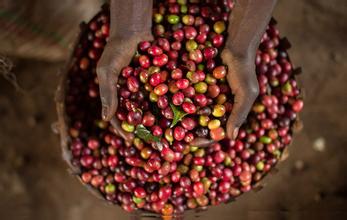
Boutique coffee beans Ethiopian coffee the latest coffee introduction unique flavor
Coffee is Ethiopia's most important export cash crop and the main source of Ethiopia's foreign exchange earnings. Ethiopia's coffee exports account for about 3% of the world market, making it the eighth largest coffee exporter in the world. Coffee exports increased steadily from 58000 tons in 1990 to 110000 tons in 1995-1996 and remained at this level in the following years. 2001-2002

The growing environment of coffee trees in Ethiopia introduces Ted Manor
Coffee is Ethiopia's most important export cash crop and the main source of Ethiopia's foreign exchange earnings. Ethiopia's coffee exports account for about 3% of the world market, making it the eighth largest coffee exporter in the world. Coffee exports increased steadily from 58000 tons in 1990 to 110000 tons in 1995-1996 and remained at this level in the following years. 2001-2002

Ethiopian coffee bean producing area of Ethiopian coffee bean flavor manor
Coffee is Ethiopia's most important export cash crop and the main source of Ethiopia's foreign exchange earnings. Ethiopia's coffee exports account for about 3% of the world market, making it the eighth largest coffee exporter in the world. Coffee exports increased steadily from 58000 tons in 1990 to 110000 tons in 1995-1996 and remained at this level in the following years. 2001-2002
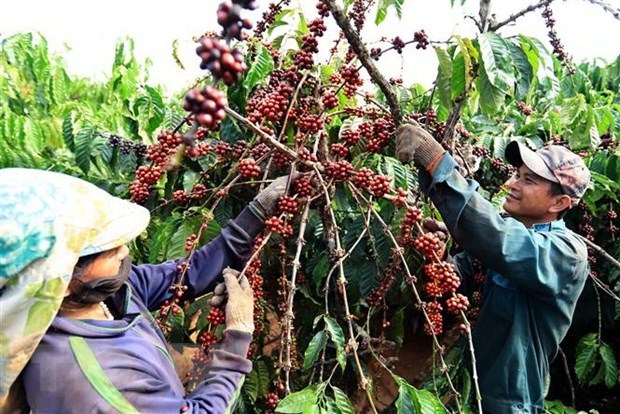
The present situation of coffee industry in Vietnam: the output of coffee in Vietnam is high but the price is low, which is due to the quality.
Professional coffee knowledge exchange more coffee bean information Please pay attention to coffee workshop (Wechat official account cafe_style) Vietnam is the second largest coffee producer in the world, but the value of coffee is not high. According to the Vietnam News Agency, Vietnam exports 1.5 million tons of coffee every year, but the coffee exported is mainly coffee beans, accounting for 90%. There are few high value-added coffee products.

Introduction to the flavor and taste of Ethiopian boutique coffee beans
Coffee is Ethiopia's most important export cash crop and the main source of Ethiopia's foreign exchange earnings. Ethiopia's coffee exports account for about 3% of the world market, making it the eighth largest coffee exporter in the world. Coffee exports increased steadily from 58000 tons in 1990 to 110000 tons in 1995-1996 and remained at this level in the following years. 2001-2002

Introduction to the Price varieties of Coffee beans in Xidamo Shachiso, Ethiopia
The price of coffee beans in Xidamo Chiso, Ethiopia. Washed coffee accounts for 35% of exports. Good quality washed coffee is processed with freshly picked fully ripe fruit, picked carefully and closely monitored by professionals. The picked clean coffee beans are pulped on the day of picking, then fermented, washed, dried and peeled. Processed coffee beans are wet

The unique aroma of Ethiopian Sidama Coffee Estate Introduction Ted Estate
Coffee is Ethiopia's most important export cash crop and the main source of foreign exchange earnings. Ethiopia's coffee exports account for about 3% of the world market share, making it the eighth largest coffee exporter in the world. Coffee exports increased steadily from 58,000 tons in 1990-1991 to 110,000 tons in 1995 - 1996 and remained at that level for the next few years. 2001 - 2002
Washed Ethiopian Sidamo coffee beans introduce coffee flavor and taste
Washed coffee accounts for 35% of exports. Good quality washed coffee is processed with freshly picked fully ripe fruit, picked carefully and closely monitored by professionals. The picked clean coffee beans are pulped on the day of picking, then fermented, washed, dried and peeled. The humidity of processed coffee beans is kept at about 12%. Sun-cured coffee accounts for 65% of exports. Mainly by

Ethiopian Coffee Flavor with acidity and texture introduction to the characteristics of Fine Coffee beans in Manor area
Ethiopian people are addicted to coffee. In 2003, domestic consumption accounted for 42.3% of the total output, with a per capita consumption of 3 kg. But more than half of the coffee produced each year is used for export to earn foreign exchange. The main exporters include the United States, Italy, the United Kingdom, Sweden, Norway, Greece, France, Belgium, Germany and Australia. Before 1974, the right to produce, process and trade coffee was controlled by

Yunnan Coffee Trading Center has become the largest coffee trading service platform in China.
Let the good coffee sell at a good price. In Yunnan Coffee Trading Center, a set of independent price formation mechanism of Yunnan coffee is established by drawing lessons from international practice, which separates the pricing rules of fine coffee from that of coffee in the ordinary futures market, and mainly determines the price according to the level and grade of coffee beans. to achieve high quality and high price. With the establishment of independent pricing mechanism, Yunnan coffee has more coffee in the international market.

A brief introduction to the characteristics of flavor and taste of Ethiopian coffee manor with acidity and texture
According to the law, all coffee is sold through an auction held by Addis and DiRedawa. During the coffee harvest, such auctions are even held twice a day. Ethiopia's coffee grading and quality control system has two main indicators: visual inspection and cup evaluation, including the color, cleanliness, origin, taste and characteristics of coffee beans. Export rating to be simple

Introduction of Ethiopian Fine Coffee the taste characteristics of Ethiopian boutique coffee Ethiopia
Coffee is Ethiopia's most important export cash crop and the main source of Ethiopia's foreign exchange earnings. Ethiopia's coffee exports account for about 3% of the world market, making it the eighth largest coffee exporter in the world. Coffee exports increased steadily from 58000 tons in 1990-91 to 110000 tons in 1995-96 and remained at this level in the following years. 2001-2002

Introduction to the characteristics of flavor and taste of Ethiopian coffee manor with acidity and texture
Ethiopia's coffee grading and quality control system has two main indicators: visual inspection and cup evaluation, including the color, cleanliness, origin, taste and characteristics of coffee beans. The export rating is marked by simple numbers, with the best washed coffee at level 5 and the best sun-cured coffee at level 4. After grading, mark the place of origin and then export. Usually the export is paid by letter of credit.

Acidity and texture of Ethiopian Coffee Manor Flavor characteristics of Fine Coffee beans
In Ethiopia, the grading and quality control system of coffee is divided into three levels: producer, regional and national. All coffee is inspected by local inspection agencies before leaving the country of origin, and then re-tested at the coffee inspection and grading centers in Addis and Diredawa to determine its quality grade. Coffee is graded before auction and sale, for all involved in production, acquisition,

Ethiopia, the largest producer of coffee in Africa.
Coffee grading and quality control system in Ethiopia, coffee grading and quality control system is divided into three levels: producer, regional and national. All coffee is inspected by local inspection agencies before leaving the country of origin, and then re-tested at the coffee inspection and grading centers in Addis and Diredawa to determine its quality grade. Coffee is graded before auction and sale

Ethiopian Coffee Bean Flavor Manor introduces Ethiopian Coffee Brands
Sun-cured coffee accounts for 65% of exports. Mainly picked by families, red coffee beans are placed on cement floors or on high tables to dry to about 11.5% humidity, then peeled and cleaned. Coffee grading and quality control system in Ethiopia, coffee grading and quality control system is divided into three levels: producer, regional and national. All coffee goes through before leaving the country of origin.

How to choose a coffee shop and analyze its location and region
Coffee shop location one: [campus] want to open their own small shop a lot of people, but the final success is very few, the vast majority is not able to pass the site selection, according to personal irresponsible statistics, there are plans to open a shop eventually due to site selection caused by the plan abortion accounted for more than 95%. With the rapid development of university industry in China, campus cafes not only blossom everywhere around the campus, but also change in the campus.

Introduction to the taste and flavor of Ethiopian coffee
In Ethiopia, the grading and quality control system of coffee is divided into three levels: producer, regional and national. All coffee is inspected by local inspection agencies before leaving the country of origin, and then re-tested at the coffee inspection and grading centers in Addis and Diredawa to determine its quality grade. Coffee is graded before auction and sale, for all involved in production, acquisition,